
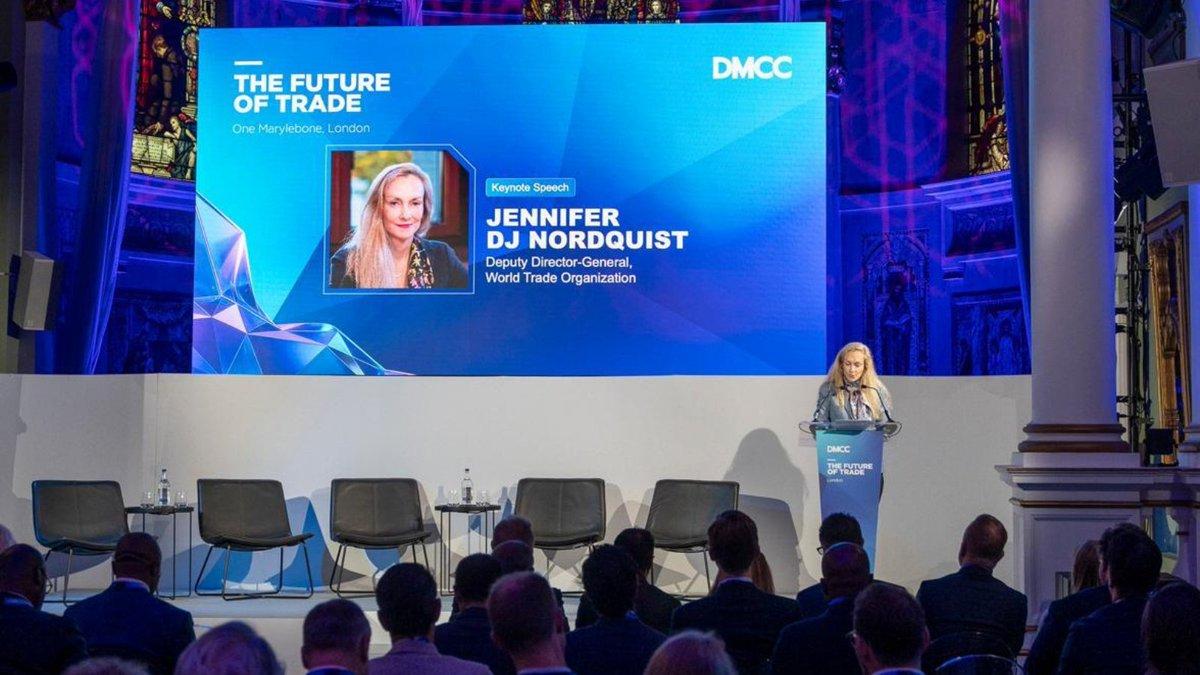
Global Merchandise Trade Holding Steady Despite Economic Headwinds
Despite geopolitical tensions, elevated energy prices, and persistent supply chain uncertainties, global merchandise trade has demonstrated remarkable resilience during the first half of 2026. Strong demand for AI-related technologies and electronic components is helping offset broader economic challenges and supporting international trade flows.
According to the latest trade indicators, global commerce continues to expand at a pace above historical trends. While growth is expected to moderate over the coming years, opportunities remain significant for exporters positioned in high-growth sectors such as electronics, semiconductors, advanced manufacturing, and digital technologies.
Global Trade Remains Above Trend
101.7
WTO Goods Trade Barometer Reading
A reading above 100 indicates merchandise trade volumes are performing above long-term trend levels despite ongoing economic and geopolitical pressures.
The resilience of global trade has been supported by strong demand for electronic components, data center infrastructure, AI hardware, and advanced computing technologies as businesses worldwide accelerate investments in artificial intelligence.
Trade Growth Outpaced the Global Economy
4.7%
Global Trade Growth (2025)
Combined goods and services trade expanded significantly, exceeding expectations and demonstrating the resilience of global commerce.
2.9%
Global Economic Growth (2025)
Trade growth expanded at nearly double the rate of global GDP, highlighting the increasing importance of cross-border commerce.
The strong performance of international trade in 2025 significantly exceeded earlier forecasts and reinforced the role of global supply chains as a key driver of economic activity.
Trade Outlook: Moderation Ahead
4.7%
2025 Trade Growth
1.9%
Projected 2026 Growth
2.6%
Projected 2027 Recovery
While merchandise trade growth is expected to slow in 2026 due to geopolitical uncertainty, higher energy costs, and softer global demand, forecasts suggest a gradual recovery beginning in 2027.
Key Forces Shaping Global Trade
AI Investment Boom
Growing investment in artificial intelligence infrastructure is fueling demand for semiconductors, electronic components, servers, data center equipment, and advanced manufacturing technologies.
Geopolitical Tensions
Ongoing conflicts and geopolitical instability continue to create uncertainty across shipping routes, commodity markets, and international supply chains.
Energy Price Volatility
Elevated fuel and energy costs remain a challenge for manufacturers, exporters, logistics providers, and global transportation networks.
Supply Chain Adaptation
Businesses continue diversifying sourcing strategies and building more resilient supply chains to reduce exposure to disruption.
What This Means for Indian Exporters
The current trade environment presents both opportunities and challenges for Indian exporters. The rapid expansion of AI infrastructure worldwide is creating strong demand for electronics, semiconductor-related products, industrial equipment, and technology components.
- Electronics Export Opportunity: Rising demand for AI-driven hardware creates growth potential for India's electronics manufacturing ecosystem.
- Semiconductor Value Chain Growth: Companies involved in semiconductor components, packaging, and supporting industries may benefit from increased global investment.
- Market Diversification Required: Slower trade growth projections for 2026 highlight the importance of expanding into new export destinations.
- Long-Term Buyer Relationships: Exporters should focus on securing long-term contracts and strategic partnerships while demand remains strong.
- Supply Chain Resilience: Businesses that improve delivery reliability and operational efficiency will be better positioned during periods of slower global growth.
Looking Ahead
Global trade continues to demonstrate resilience despite significant economic and geopolitical challenges. The rise of artificial intelligence is creating new demand patterns that are reshaping supply chains and opening opportunities for exporters positioned in technology-driven industries.
For Indian exporters, the message is clear: capitalize on emerging opportunities in electronics and advanced manufacturing today, while simultaneously diversifying export markets and strengthening customer relationships to navigate a more moderate trade environment in the years ahead.
Related News
Critical Minerals Are Reshaping Global Trade
Critical Minerals Are Reshaping Global Trade