
The Future of Logistics: How Smart Supply Chains Are Redefining Global Commerce
The Future of Logistics: How Smart Supply Chains Are Redefining Global Commerce
The global logistics industry is undergoing one of the most significant transformations in its history. Driven by the explosive growth of e-commerce, rising customer expectations, and the aftershocks of global supply chain disruptions, businesses are being forced to rethink the way goods move from origin to destination.
In 2026, smart logistics is no longer a competitive advantage it is a survival imperative. Organizations that embrace automation, data intelligence, and real-time visibility are positioning themselves for sustainable growth, while those relying on traditional methods risk falling behind.
Why Modern Logistics Matters
Today's supply chains are no longer simple point-A-to-point-B operations. From raw material sourcing to last-mile delivery, every step in the logistics chain is now a data-driven, interconnected process.
Companies investing in real-time tracking, predictive analytics, and AI-driven route optimization consistently outperform competitors still relying on spreadsheets and manual coordination. Studies indicate that intelligent logistics platforms can reduce operating costs by up to 20% while significantly improving on-time delivery performance.
Automation: The New Backbone of Logistics
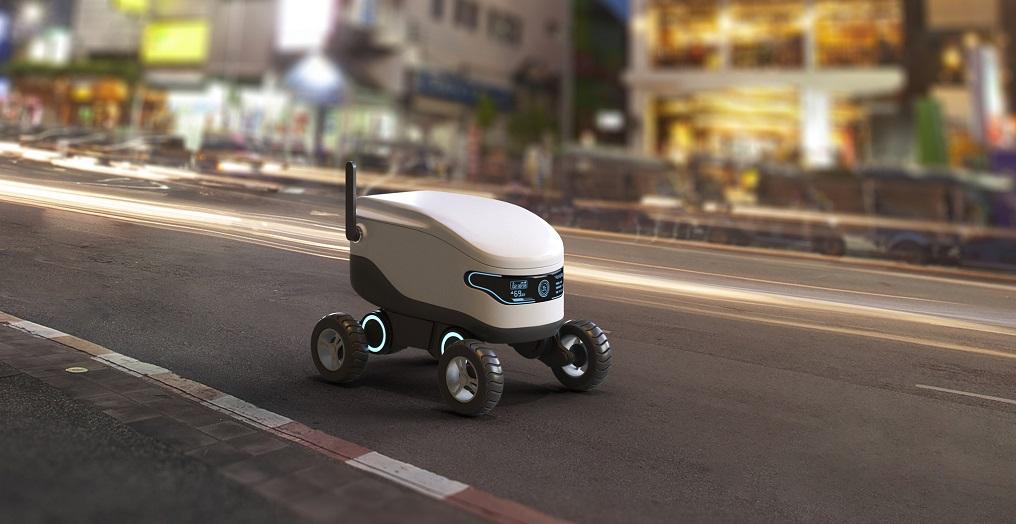
Warehouse robotics, autonomous guided vehicles (AGVs), and AI-powered sorting systems are redefining what is possible inside fulfillment centers.
Major retailers and third-party logistics providers (3PLs) are deploying robotic picking arms, automated conveyor systems, and machine-learning-based demand forecasting tools to manage increasing order volumes with fewer errors and faster turnaround times.
Drone-based last-mile delivery, once limited to pilot programs, is now operational across several urban and semi-urban markets in Asia, Europe, and North America.
Sustainability as a Logistics Priority
Environmental responsibility has evolved from a corporate social responsibility initiative into a core business strategy. Regulators worldwide are tightening emissions standards for freight and delivery operations.
Leading logistics companies are investing in electric delivery fleets, carbon-neutral warehouses, and sustainable packaging solutions. Beyond regulatory compliance, sustainability has become a critical customer expectation, particularly among younger and environmentally conscious consumers.
Businesses demonstrating measurable progress in emissions reduction are strengthening brand loyalty and securing premium market positioning.
Digital Platforms and Real-Time Visibility
Cloud-based logistics management systems now provide end-to-end supply chain visibility, allowing businesses to monitor shipments in real time and respond rapidly to disruptions such as port congestion, weather delays, or transportation bottlenecks.
Platforms integrating IoT-enabled container sensors, blockchain-based documentation, and AI-powered exception management are becoming standard tools for enterprise shippers and mid-market businesses alike.
The convergence of these technologies is creating a logistics ecosystem that is faster, more transparent, and significantly more resilient than ever before.
Preparing Your Business for the Future
Whether you operate a local distribution network or a global supply chain, now is the time to invest in logistics technology.
Partnering with the right 3PL providers, adopting IoT-enabled fleet management solutions, and integrating predictive analytics tools are proven strategies for building resilient and scalable operations.
The businesses that act decisively today—embracing automation, sustainability, and data intelligence—will be the organizations shaping the future of global commerce tomorrow.
Related Articles
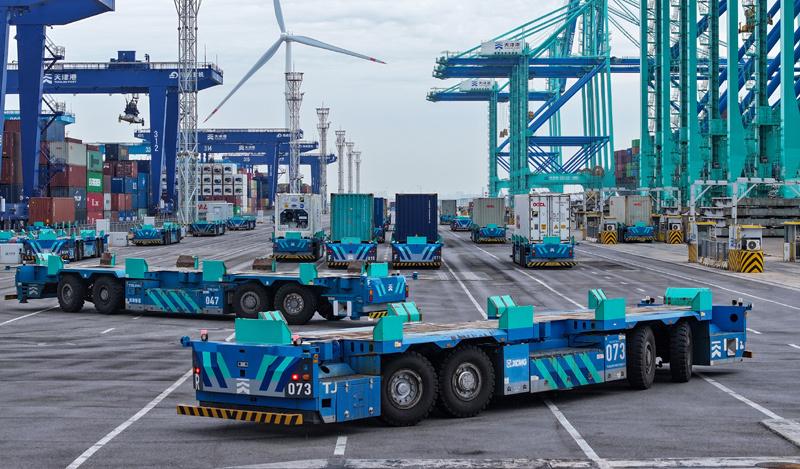
China's AI-Powered Automated PortsThe Future of Global Logistics
China's AI-Powered Automated PortsThe Future of Global Logistics